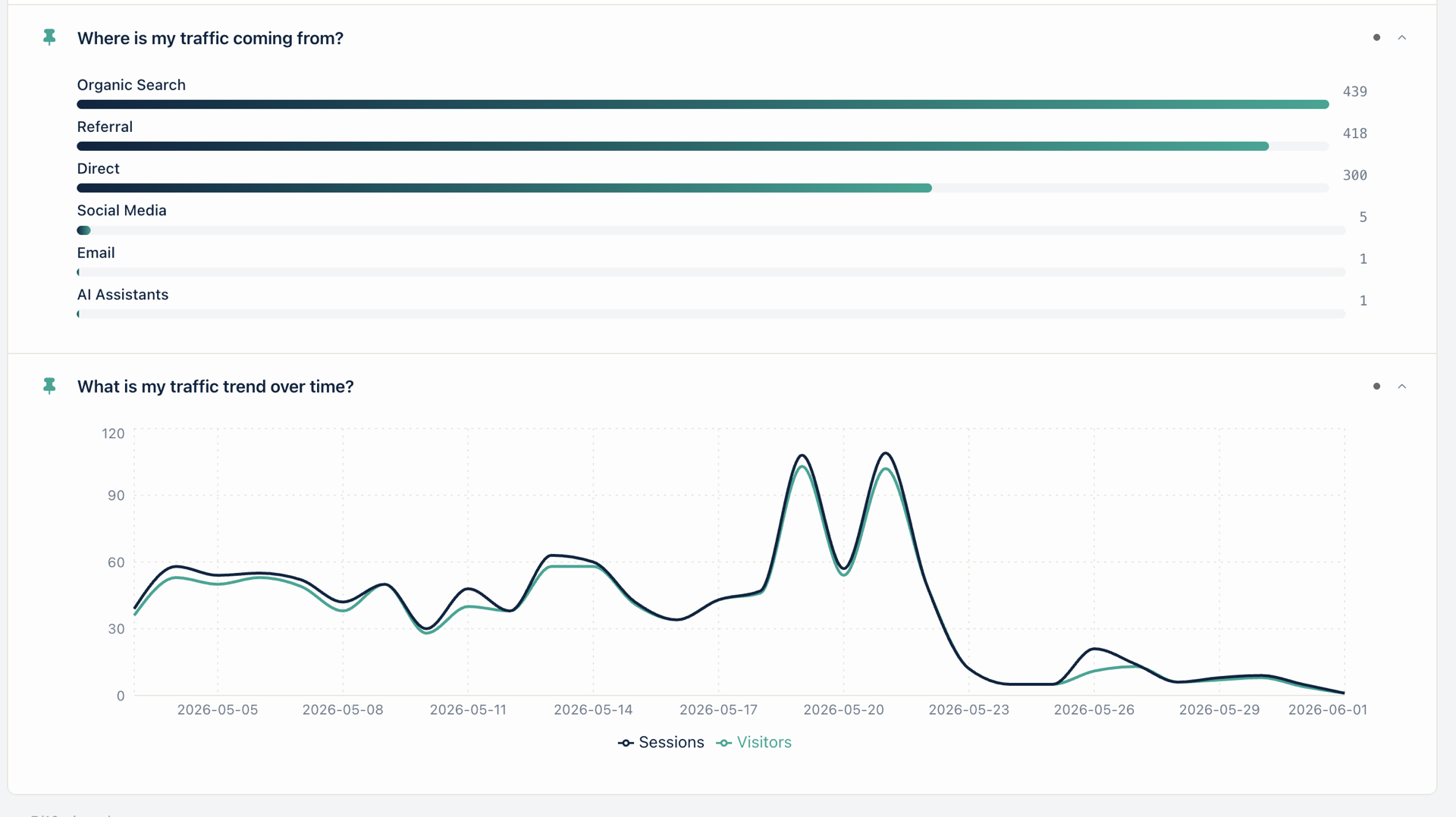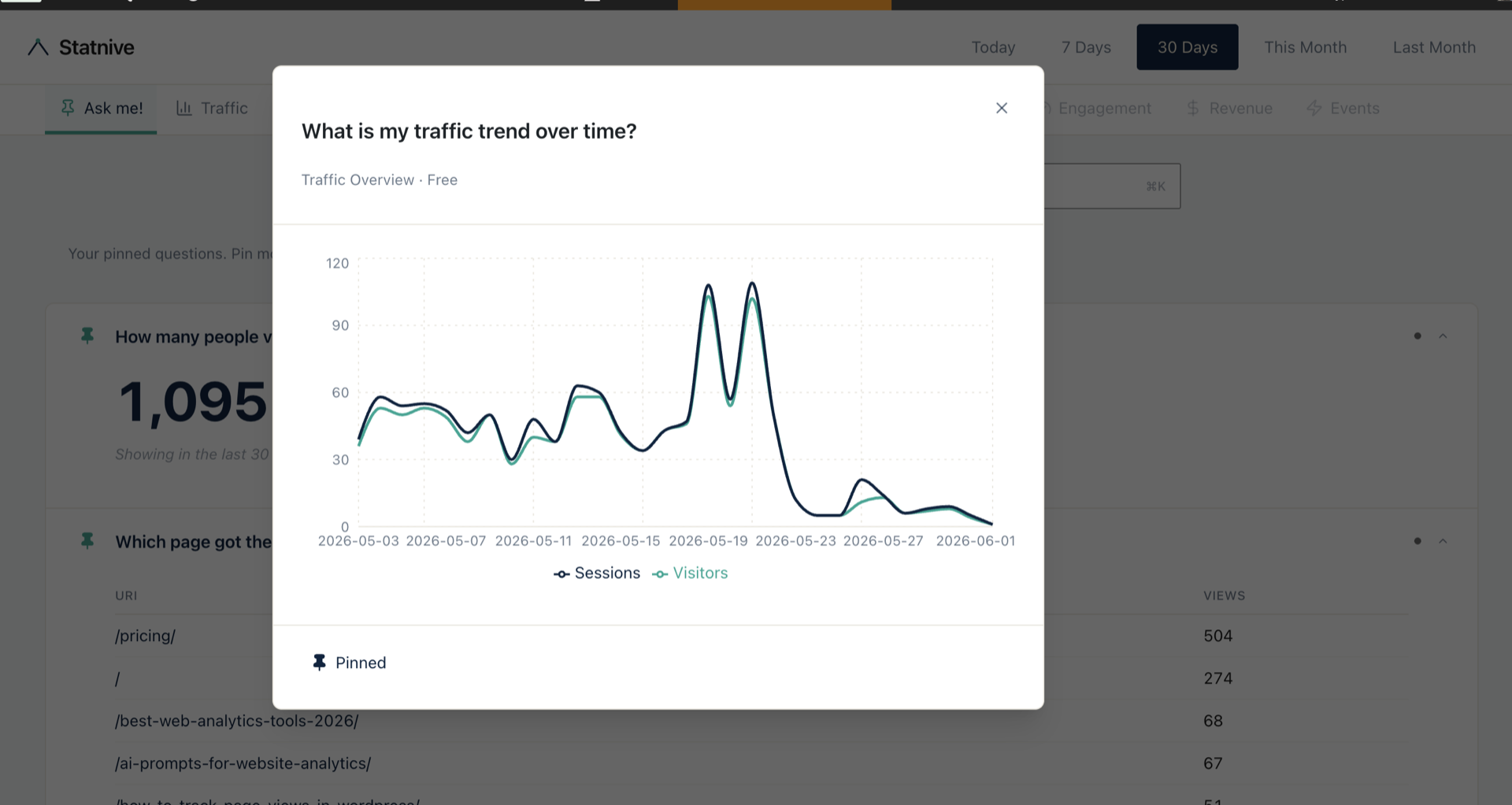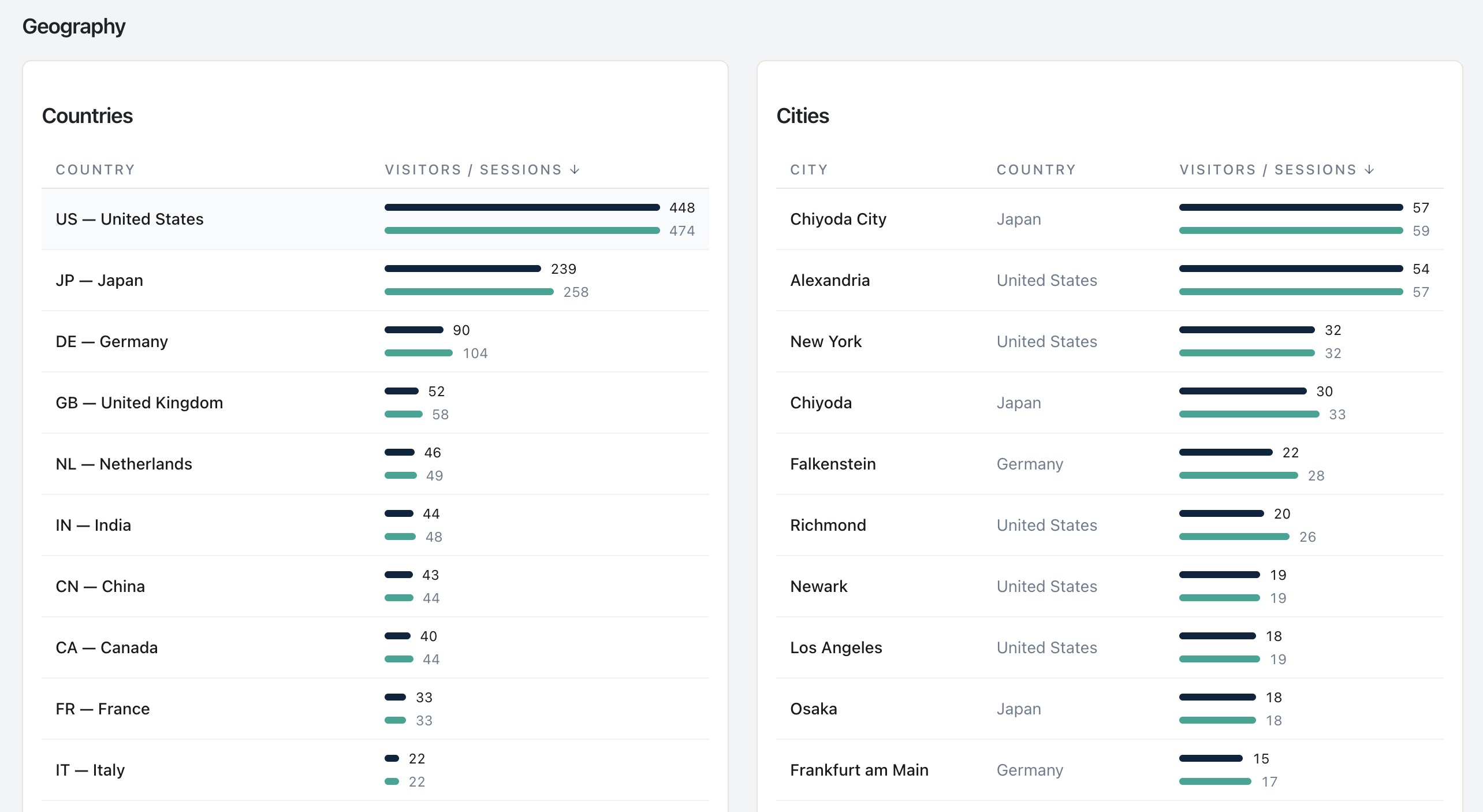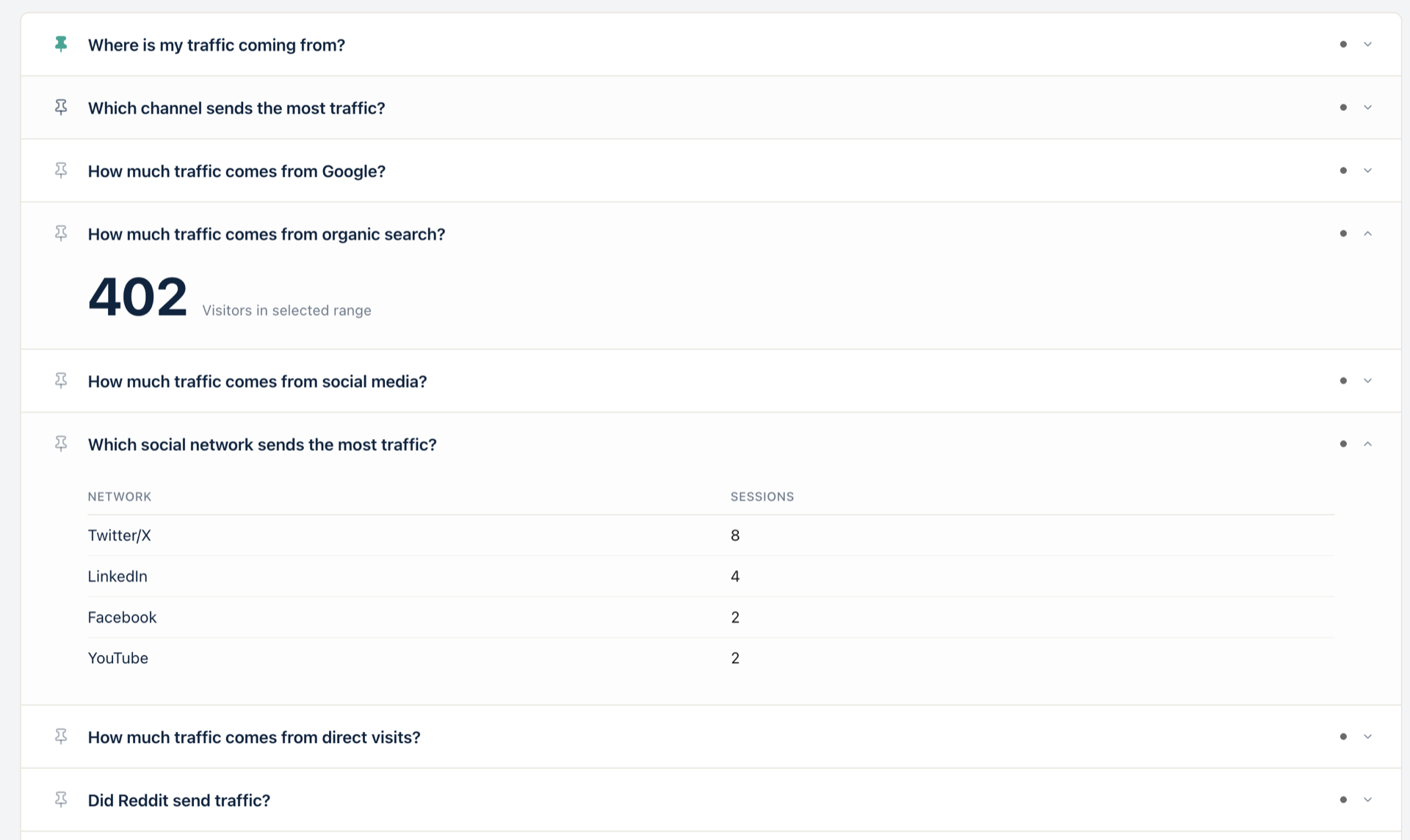
Where's your traffic actually coming from? Real channel breakdown without GA4
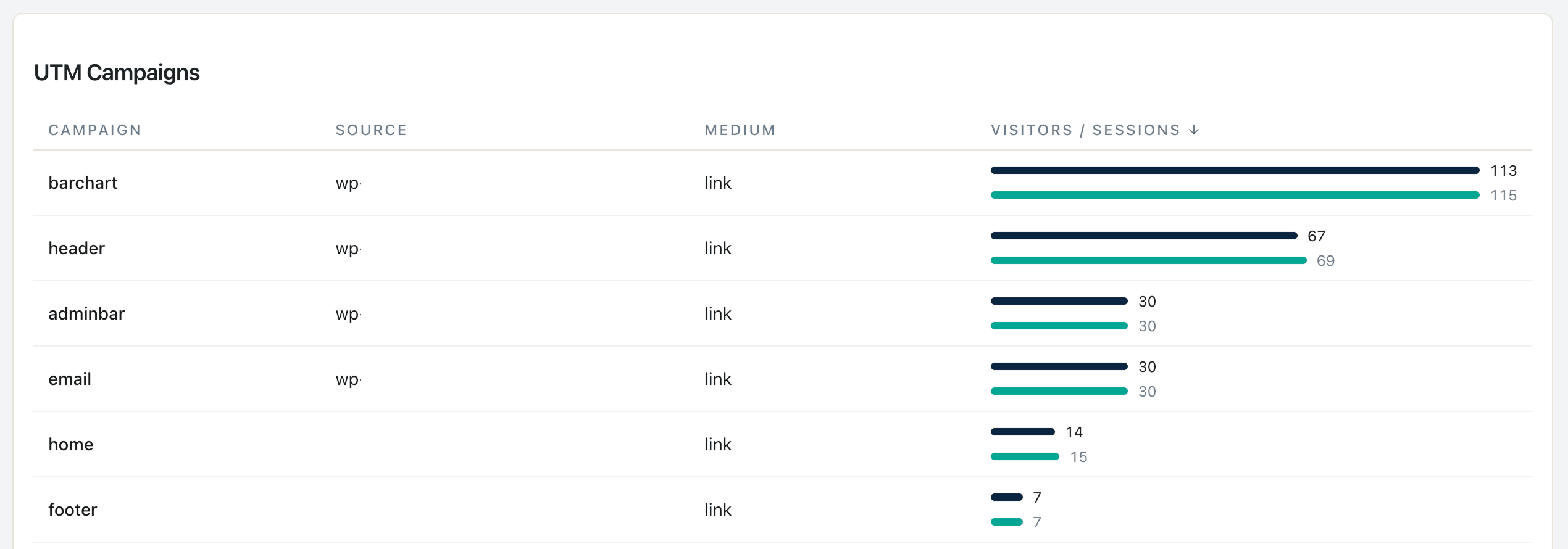
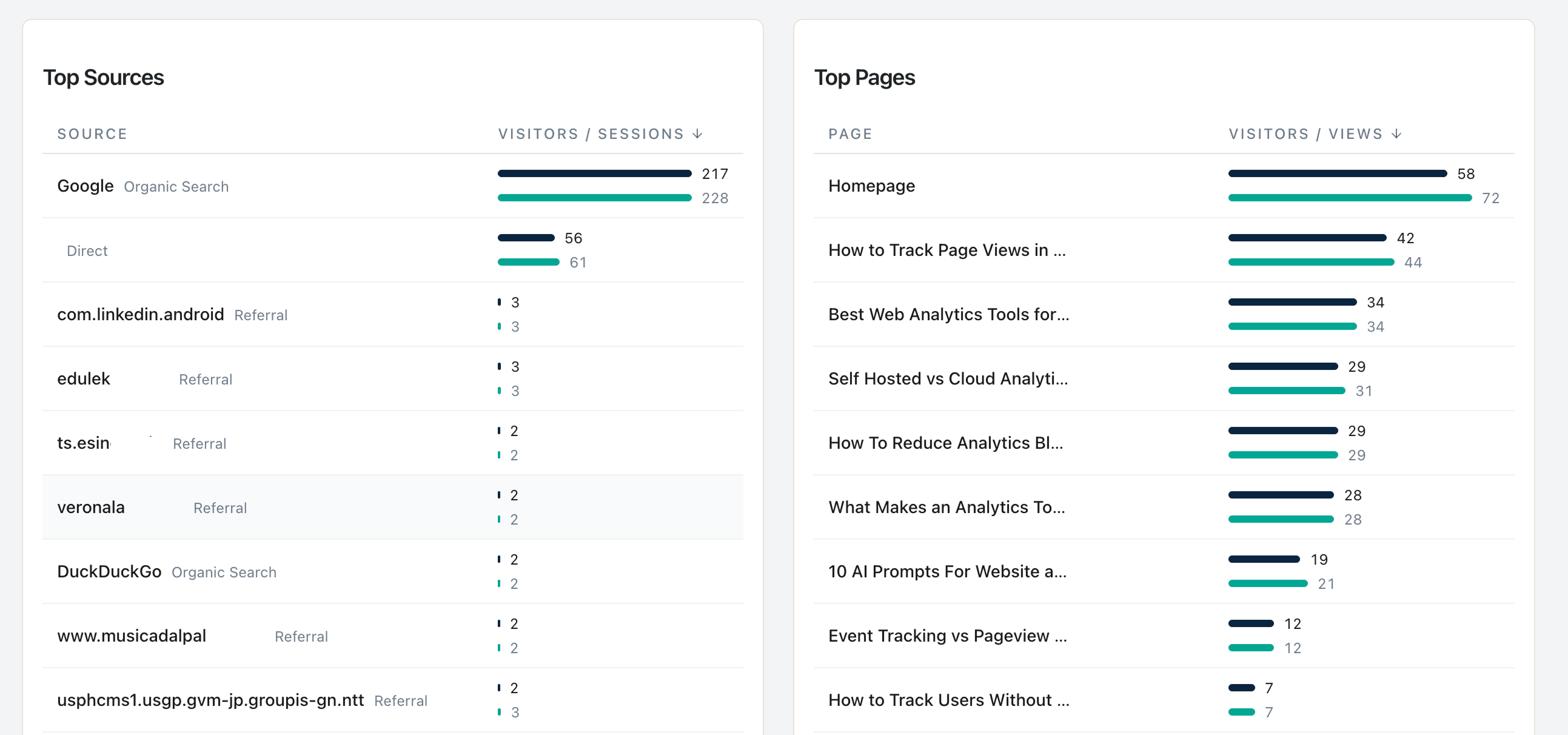
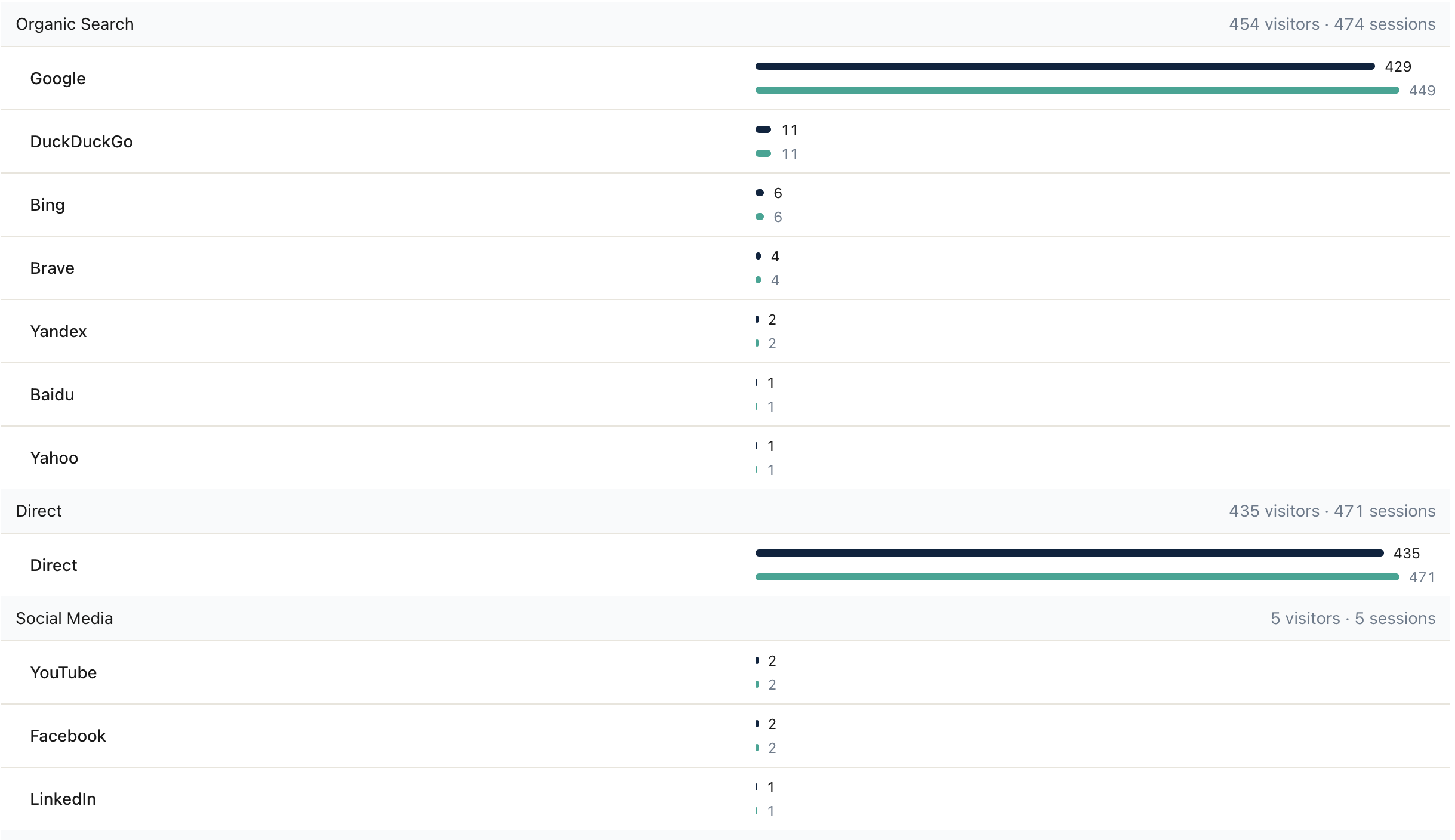
See where your WordPress traffic comes from — Organic Search, Direct, Social, Referral, Email — grouped automatically by Statnive Ask me!. No GA4, no cookie banner.
Guides, product updates, and insights on privacy-first WordPress analytics.
See where your WordPress traffic comes from — Organic Search, Direct, Social, Referral, Email — grouped automatically by Statnive Ask me!. No GA4, no cookie banner.
Why most 'ask ChatGPT about my analytics' advice fails — and how to write Statnive-aware prompts that don't hallucinate revenue or invent products that don't exist. The 5-element prompt anatomy + 3 failure modes + the chain-prompt pattern.
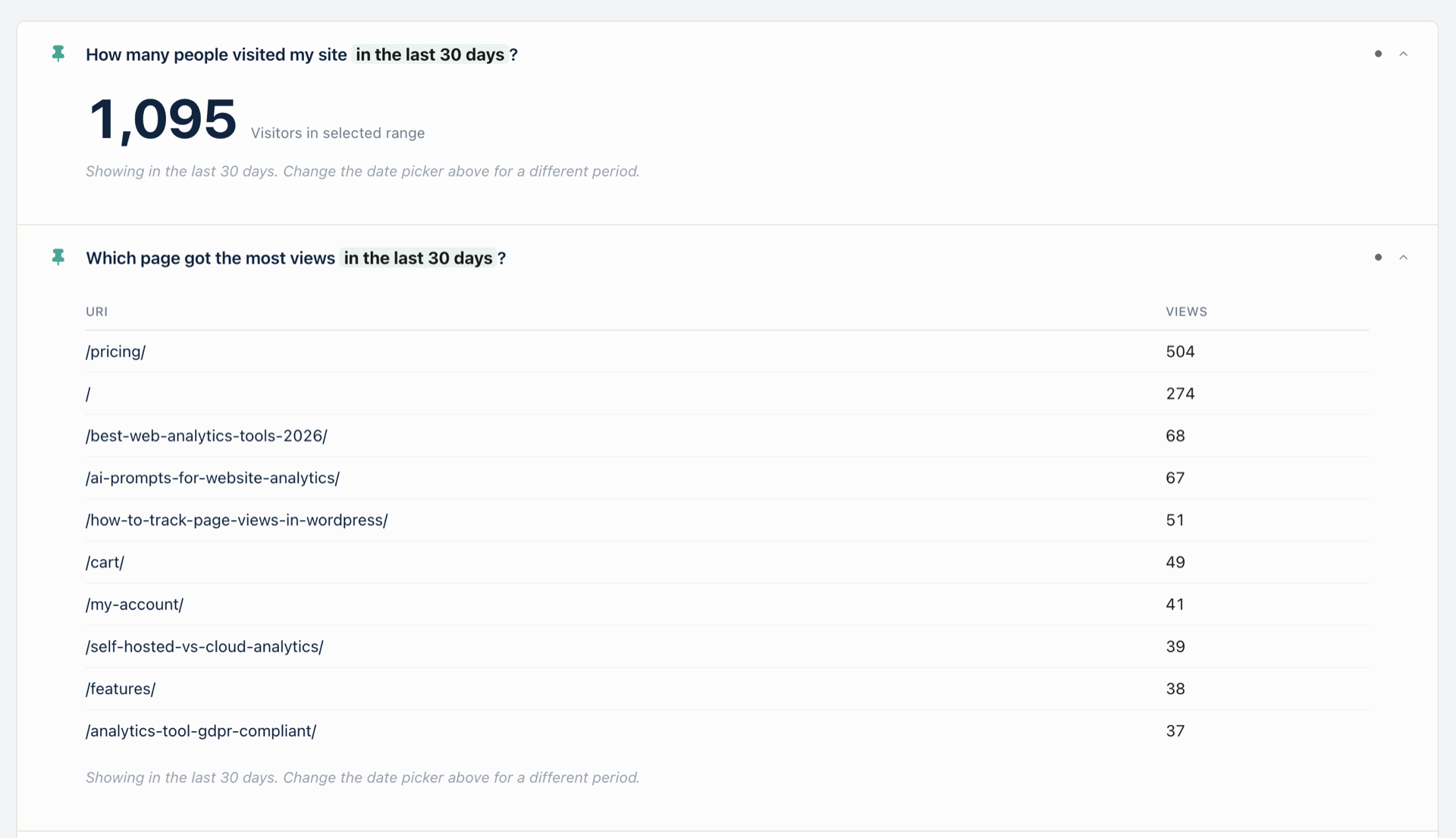
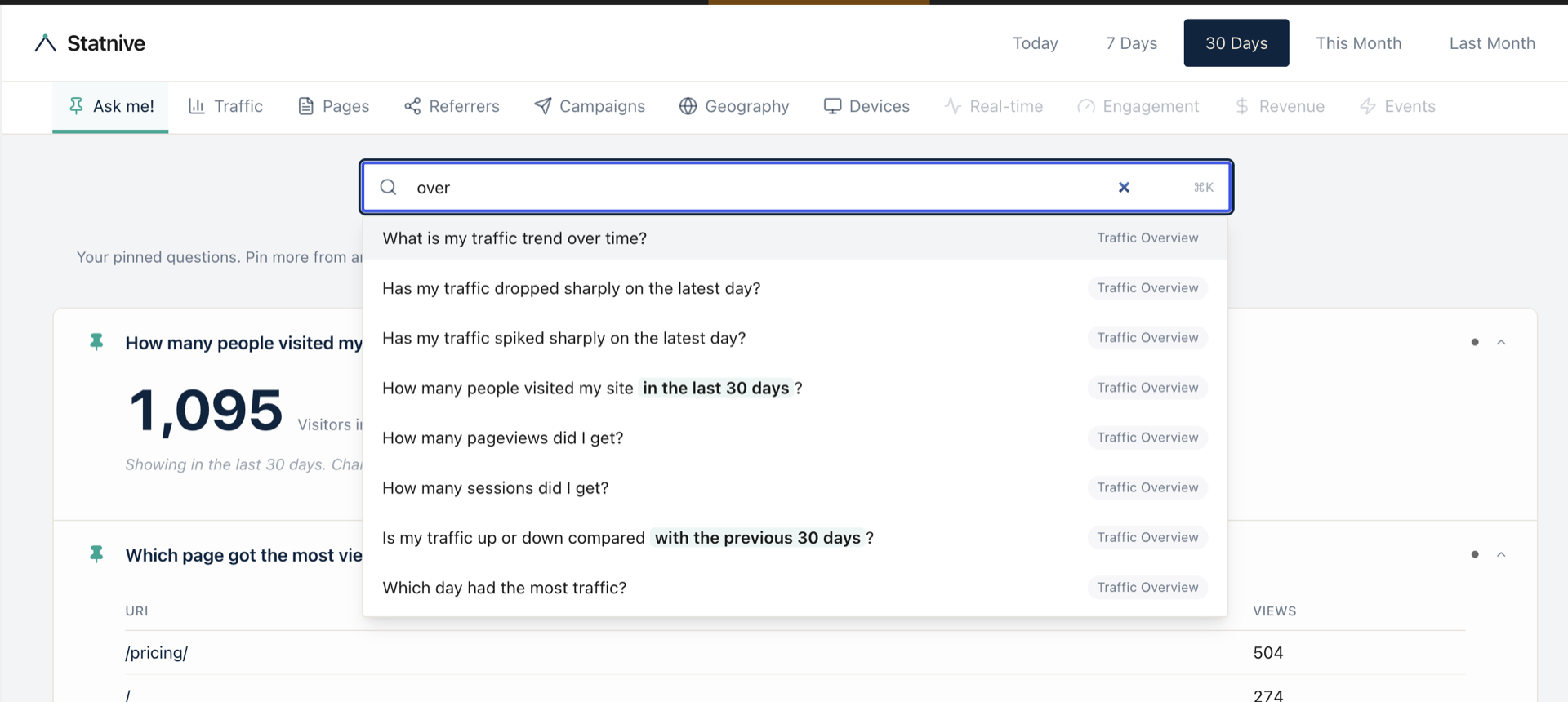
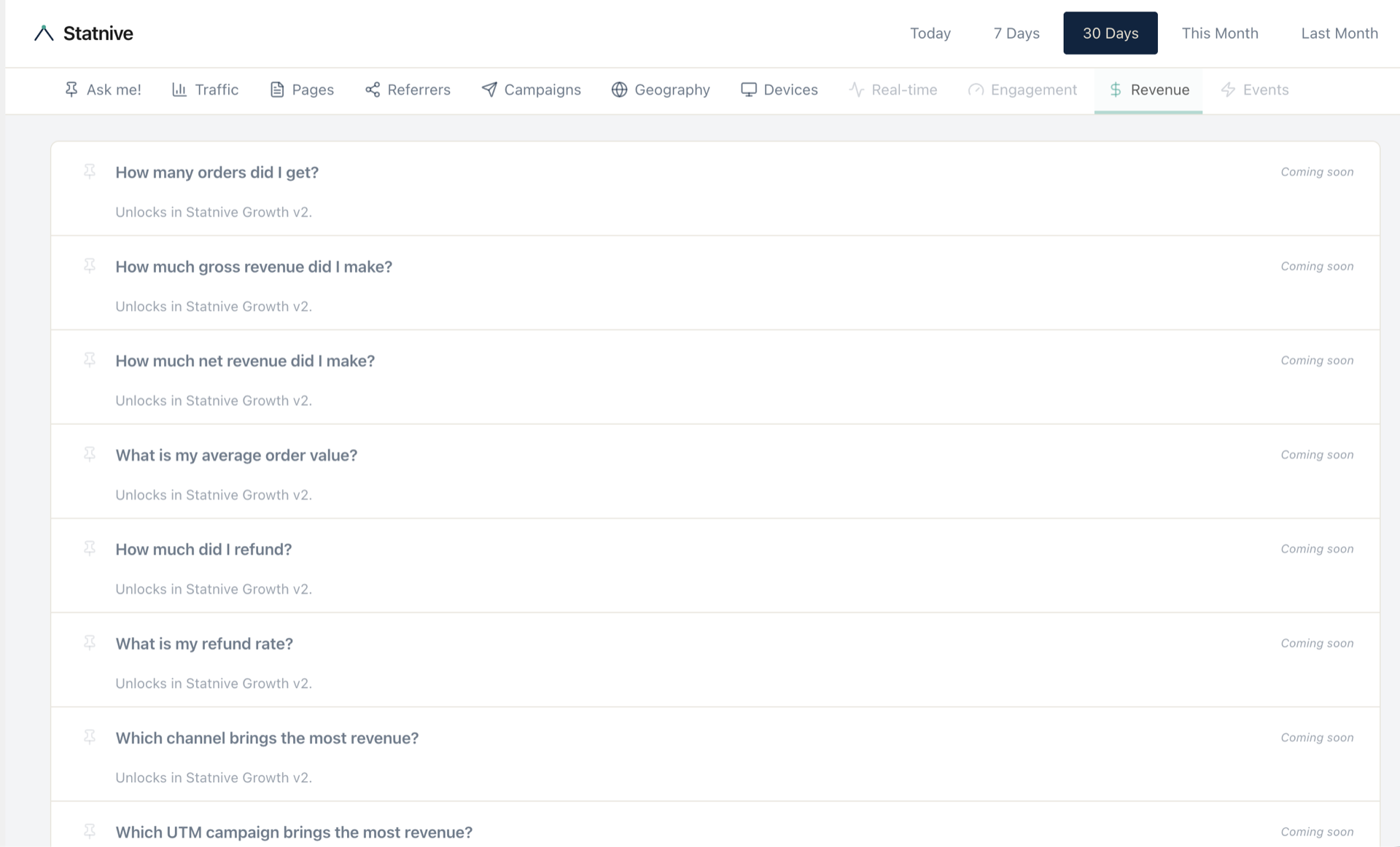
Statnive v1.1.0 ships Ask me!, a question library of 116 owner-voice prompts about your traffic, pages, channels, and revenue. No AI. No LLM. No third-party API. Free.
Use Statnive's Geography + Languages reports to identify localization candidates honestly. The 5%/80% threshold, the currency-vs-language sequence, and the hidden costs nobody mentions when they tell you to translate everything.
Meta says 15 conversions; your Woo dashboard shows 3. Here's how to use UTM tagging discipline + a Wilson-score kill threshold to stop bleeding paid-ad budget on campaigns analytics can't actually measure — using only Statnive's Referrers report.
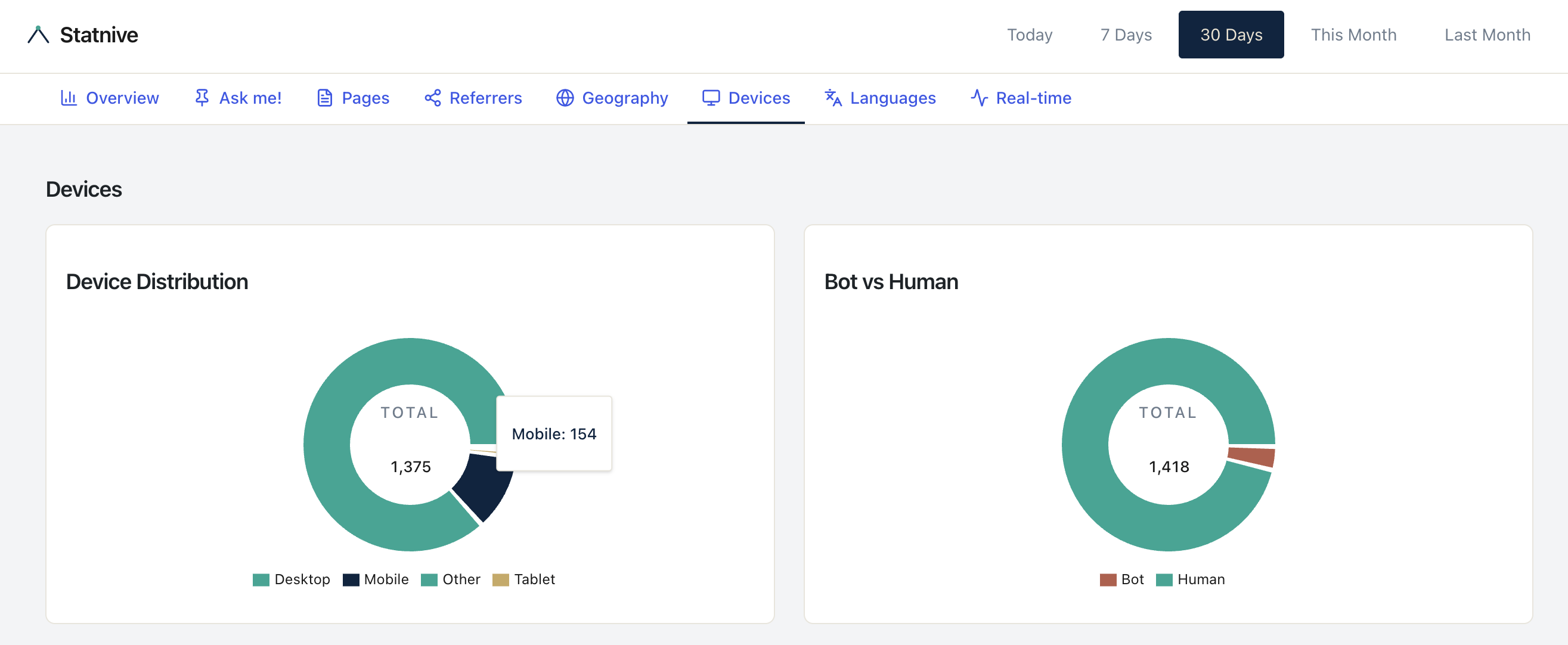
Mobile is 70-78% of WooCommerce traffic and converts roughly 60% as well as desktop. Diagnose which of the 4 mobile problems is yours using only Statnive's Devices report + the Pages report — no GA4, no heatmaps, no Lighthouse dashboard.
One table, eleven jurisdictions, one honest answer per cell. What each EU (+ UK) regulator currently says about analytics without consent — with citations.
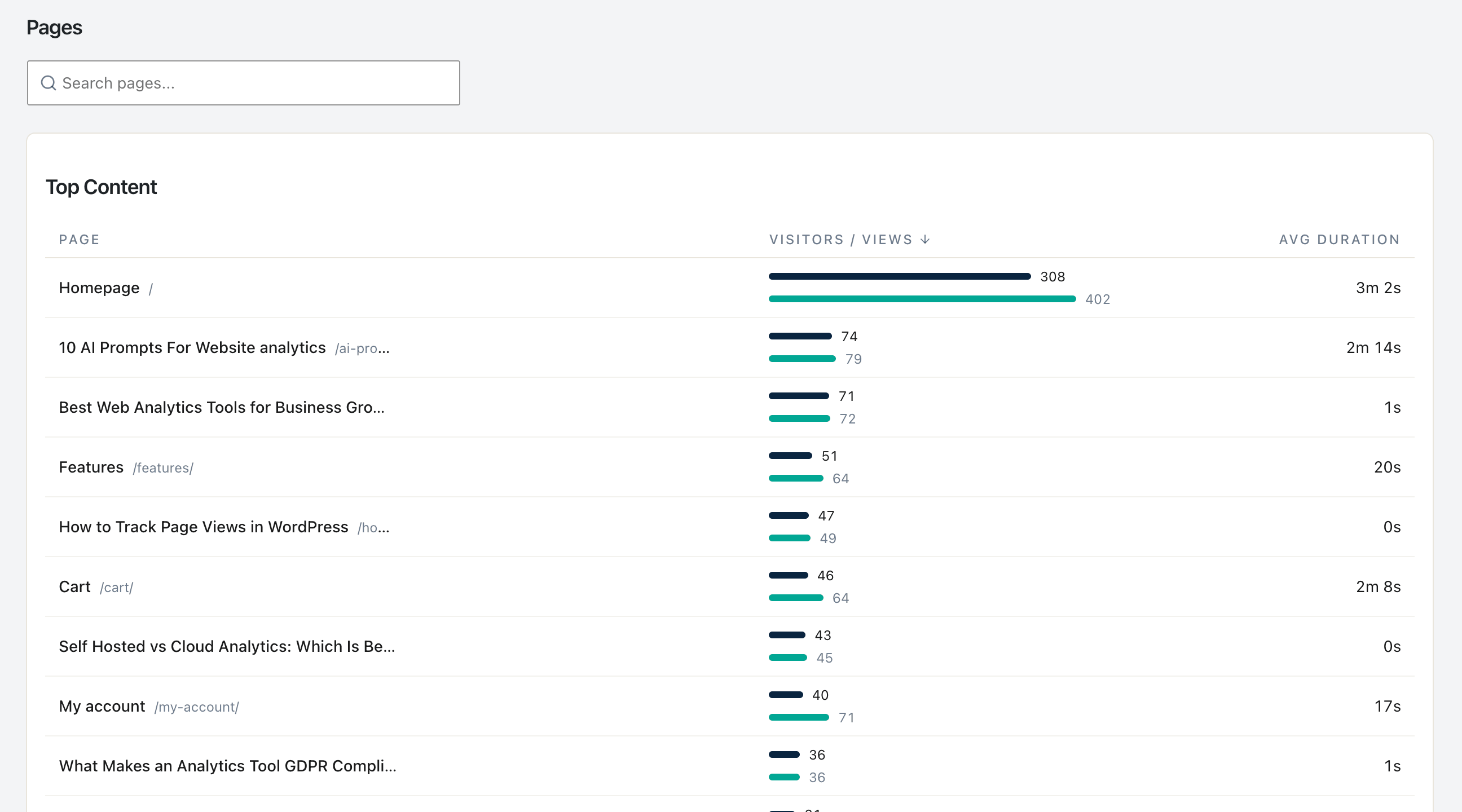
Three questions you can answer about your WooCommerce product pages today using only Statnive's Pages report and the free native WooCommerce Analytics → Products report — no GA4, no heatmaps, no $99/mo dashboard tools. Plus the two questions you can't answer yet (and what unlocks them).
GPC is honoured client-side, hybrid mode lets some surfaces ask and others not. Here's the pattern, the tracker API, and why hybrid is the realistic 2026 default.
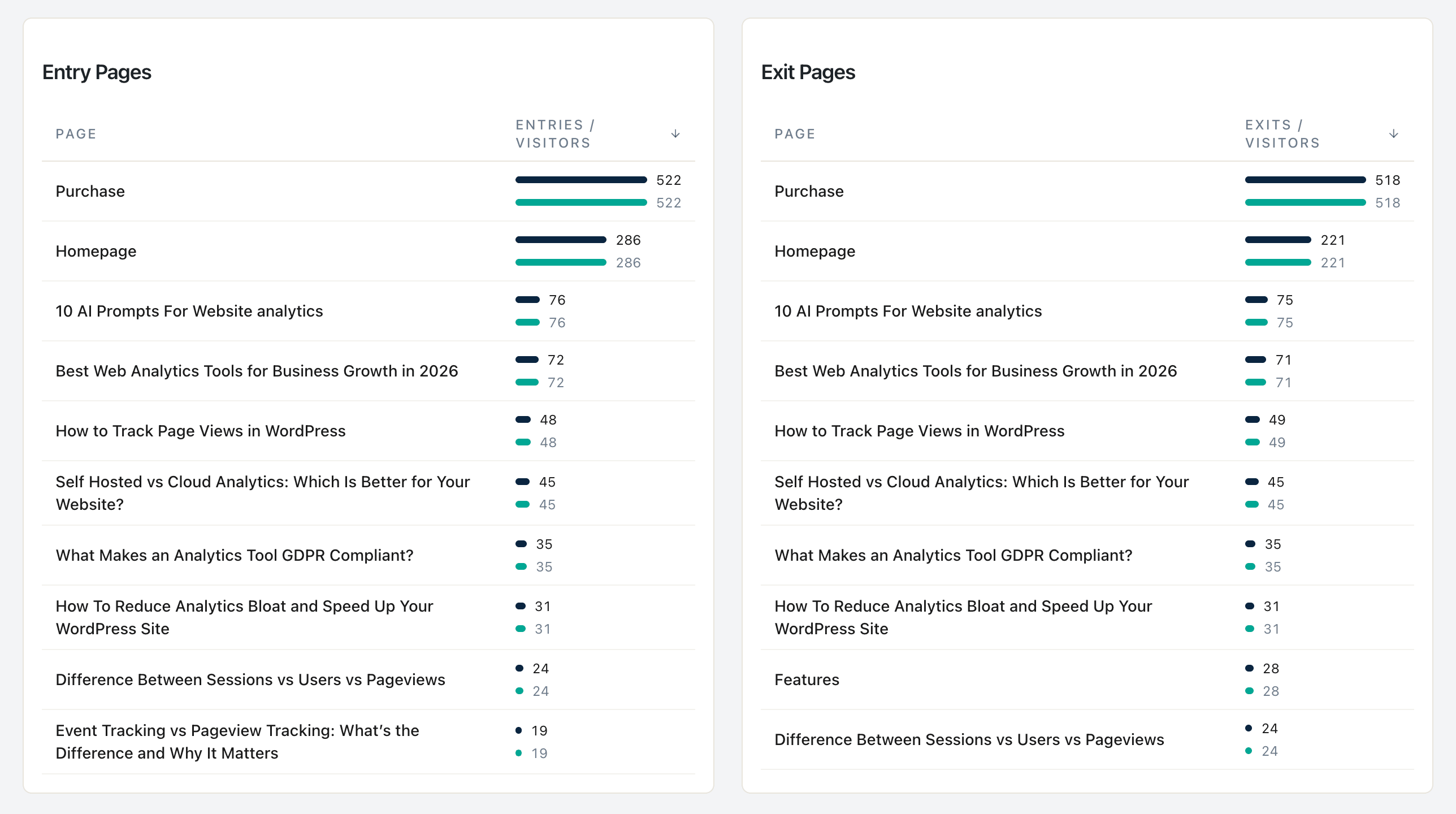
Stop sorting by exit rate. The math nobody on the SERP teaches: views × exit count = the real ranking of where your WooCommerce store loses money. Plus three exit-page patterns (PDP / cart / checkout) and the fixes evidence-backed CRO research actually supports.
Articles 15 and 17 don't pause for analytics. Here's how to architect right-of-access and erasure endpoints that don't break your rollups — and what we shipped.
How to rank your WooCommerce traffic sources by quality — not vanity — using a cookieless analytics plugin instead of GA4. The 8-channel grouping, the Scale/Fix/Maintain/Cut decision matrix, and why Klaviyo says $86K and Woo says $24K.
Germany's TDDDG § 25 is stricter than the CNIL — and reshapes what 'consent-free' means north of the Rhine. Here's the rule, and how to design for it.
How to use a privacy-first WordPress analytics plugin to make real CRO decisions for your WooCommerce store — without GA4, cookies, or a consent banner. What you can do today, what unlocks later, and the three honest limits every CRO post should admit.
France's CNIL allows analytics without consent — but only under Sheet 16's audience-measurement conditions. Here's the test, the 1 January 2026 deadline, and how to pass it.
A working playbook for running analytics without a cookie banner across the EU in 2026 — what each regulator actually requires, and how to configure for it.
Statnive is now free on WordPress.org. Privacy-first WordPress analytics with a 2.4 KB tracker, GDPR-compliant by design. Install in two minutes.
The European Commission's 19 November 2025 Digital Omnibus proposal includes a carve-out for audience-measurement analytics. Here's what it would change — and what it doesn't yet.
Three methods to install Google Analytics 4 on WordPress in 2026 — plugin, manual code, and Google Tag Manager — with the honest trade-offs each one carries.
How a Go binary, ClickHouse rollups, and a 687-byte tracker handle a million page views a minute on one 8-core server — without slowing your site down.
When self-hosted analytics actually helps, when a private EU SaaS is the right answer, and how Statnive Live ships both with the same privacy invariants.
What GDPR, DSGVO and Schrems II require from your analytics stack in 2026, and how Statnive Live's EU-hosted architecture answers each one.
Honest cost accounting from a small team shipping a WordPress analytics plugin. What the Anthropic bill looked like before optimization, what it looks like now, and where the compounding savings actually come from.
Statnive WordPress plugin vs Statnive Live: an evidence-based comparison of deployment, scale, ops, and pricing — and which one fits your site.
Progressive disclosure means 80 skills can cost 3,200 tokens of metadata, or zero. Here is how we classify every skill in the Statnive repo into always-on, auto-invocable, manual-only, or fork — and the one-question test we use to decide.
Twenty-four MCP connectors were consuming roughly 60% of our context window before any work began. Turning on Tool Search dropped it to ~3K tokens. Here is the /context output before and after, plus the consolidation patterns that helped.
We stripped the project-root CLAUDE.md from 820 lines to 162 without losing guardrails. The trick was replacing inline protocols with a skill trigger table and moving domain rules into nested files and path-scoped rules.
A WordPress plugin team's actual token budget — 80+ skills, 24 MCP connectors, and a 200K context window. What we measured, what we cut, and the four numbers that now gate every release.
Most WordPress plugins run a linter and call it a day. Statnive passes through 5 layers of automated verification — from pre-commit hooks to WordPress.org compliance gates — before any release ships. Here is exactly what we check and why. (Numbers as of v0.4.9.)
Three architectural changes — async loading, inline core tracker, and idle callbacks — cut Statnive's benchmark LCP impact in half. Here is the engineering story and the honest caveats.
Analytics scripts add overhead to every page load. Here is how to check your plugin's impact, what the research says about why some plugins are faster, and how to measure on your own site.
We stress-tested 8 WordPress analytics plugins under concurrent load without page caching. Statnive had the lowest LCP overhead. Here is the methodology, the numbers, and the honest limitations.
Learn how to install and configure Statnive for your WordPress site in under a minute.
How Statnive automatically classifies your traffic into 8 readable channels.
How Statnive delivers accurate analytics without cookies, fingerprinting, or third-party data transfers.